Why Hospitals Are Always Overcrowded (And How Data Can Fix It)

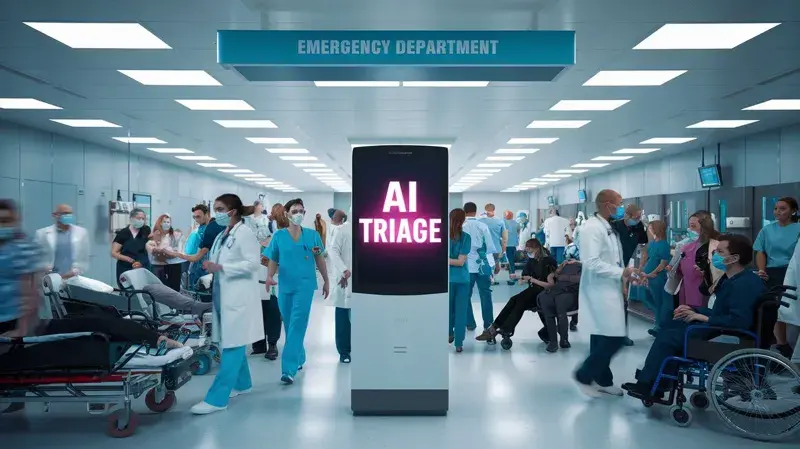
Healthcare systems around the world are grappling with a persistent problem: hospital overcrowding. Long emergency department (ED) wait times, boarding admitted patients in hallways, and capacity constraints have become the norm — not the exception. But why is this happening, and how can healthcare organizations leverage data and analytics to solve it?
The Reality of Hospital Overcrowding
Hospital overcrowding isn’t just inconvenient — it’s a patient safety and efficiency crisis. In the U.S., nearly 45% of hospitals reported emergency department overcrowding, with many facilities operating at over 115% of capacity. This pressure contributes to longer wait times, strained clinical staff, and poorer outcomes.
📊 Key statistics illustrating the problem:
The average ED wait time in the U.S. is 62 minutes, with 29% of patients waiting over 4 hours before being seen.
Approximately 45% of U.S. emergency departments report overcrowding, with 38% operating above design capacity.
High occupancy isn’t limited to EDs — bed occupancy rates climbed to ~68.2% in 2023 nationwide.
When hospitals are this full, boarding becomes common — meaning patients who have been admitted must wait in the ED for an inpatient bed. In Connecticut in 2024, 38.7% of admitted patients boarded in the ED for over four hours, underscoring how capacity problems ripple through the system.
What’s Driving the Crowding Crisis?
1. Growing Demand and Aging Populations
Emergency departments remain a primary entry point for care. In the U.S., there are around 140 million ED visits annually, translating to roughly 42.7 visits per 100 people. As populations age and chronic disease prevalence increases, demand continues to grow.
2. Limited Capacity & Staffing Shortages
Hospitals simply don’t have enough staffed beds and clinical workforce to meet rising demand. The American Hospital Association has projected shortages of up to 3.2 million healthcare workers by 2026, with staffing gaps deepening capacity constraints.
3. System Bottlenecks & Inefficient Patient Flow
Overcrowding isn’t just caused by too many patients — it’s also about how patients move through a hospital. Admissions, discharges, and transfers all impact ED flow. Many hospitals struggle with slow discharge processes, inefficient triage protocols, and siloed departments that make smooth throughput difficult.
4. External Healthcare System Gaps
Inadequate primary care access and closures of post‑acute care facilities funnel more patients into hospitals for conditions that could have been managed outside the ED. This bottleneck adds to overcrowding and “corridor care” — treating patients in hallways due to lack of space — which has been observed in health systems abroad.
Why Overcrowding Matters: Beyond the Waiting Room
Overcrowding has real clinical and financial consequences:
❤️🩹Higher mortality and adverse events — ED overcrowding has been linked to up to 12% increases in in‑hospital mortality for acute cardiovascular cases and 23% of patients in overcrowded EDs experience adverse events.
⏳Longer stays and readmissions — patients who wait longer for care are more likely to return within 30 days.
😓Staff burnout and costs — overcrowding drives clinician fatigue, turnover, and increased use of temporary labor, further straining budgets.
How Data and Analytics Can Fix Overcrowding
The good news? Data isn’t just a buzzword — it’s a practical solution with measurable outcomes.
1. Predictive Analytics for Patient Flow
Machine learning models can forecast patient volumes hours or even days in advance, enabling hospitals to adjust staffing levels proactively and redistribute resources before overcrowding spikes. Studies show that predictive models can provide accurate forecasts of ED crowding, improving operational planning.
2. Capacity Planning and Real‑Time Resource Visibility
Hospitals using advanced analytics tools can monitor bed utilization, patient status, and staff availability in real time. These insights help decision‑makers identify bottlenecks and act quickly — for example, they can prioritize discharges earlier in the day or speed up housekeeping to turn rooms faster.
3. Demand‑Driven Staffing Optimization
Data enables hospitals to align staffing with peak demand. Rather than static schedules, predictive staffing adjusts nurse and physician rosters based on anticipated patient arrivals — which has been shown to reduce wait times and improve staff efficiency.
4. Workflow & Lean Process Improvements
Analytics can uncover hidden process inefficiencies — like delays in diagnostics or consultation turnaround time — and guide targeted interventions. Embracing lean principles across departments improves throughput and reduces the cyclic effects of overcrowding.
Conclusion: Toward a Smarter, Data‑Driven Hospital System
Hospital overcrowding is a complex problem driven by demand pressures, staffing shortages, inefficient processes, and systemic healthcare gaps. But the solution doesn’t lie in building more beds alone or adding more nurses — it lies in harnessing data to streamline operations, forecast demand, and optimize resources.
At Trendlytics, we believe that data is the connective tissue that can help health systems transform chaos into clarity — enabling providers to deliver the right care, at the right time, with the right resources. Learn more.